How to offset a flight
A return long-haul flight emits roughly 1–3 tonnes of CO₂e per passenger. Here is how to offset it in 90 seconds.
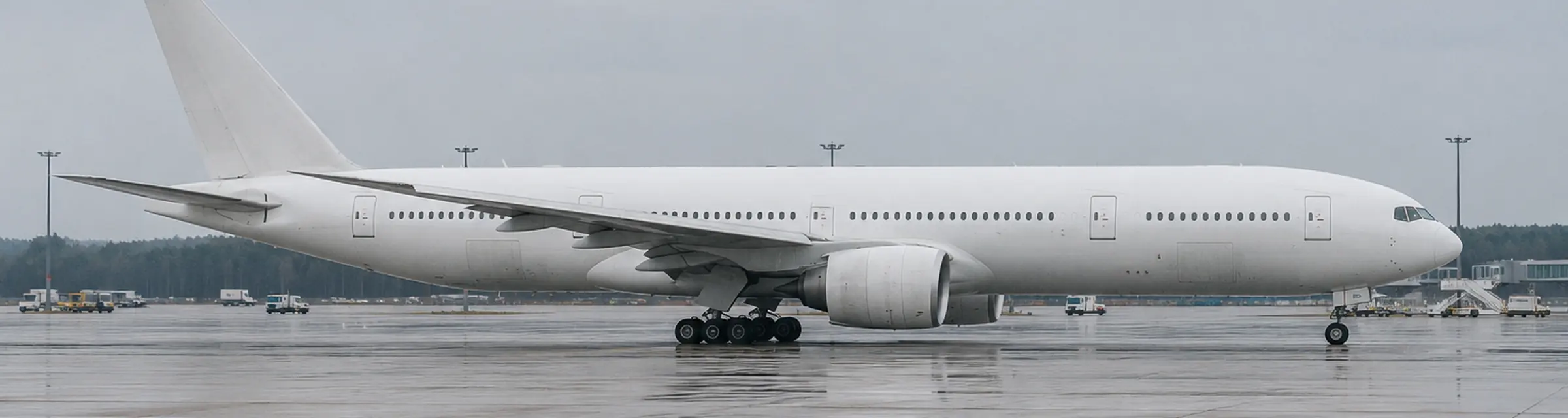
What drives the footprint
Aviation is one of the most carbon-intensive things most people do. A single passenger on a long-haul return flight is responsible for one to three tonnes of CO₂e — comparable to months of average driving — and because the emissions are released high in the atmosphere, their warming effect is amplified.
You can’t yet fly without emissions, but you can measure a flight accurately and retire verified credits to compensate for it. The figure depends mostly on distance, cabin class, and how full the aircraft is.
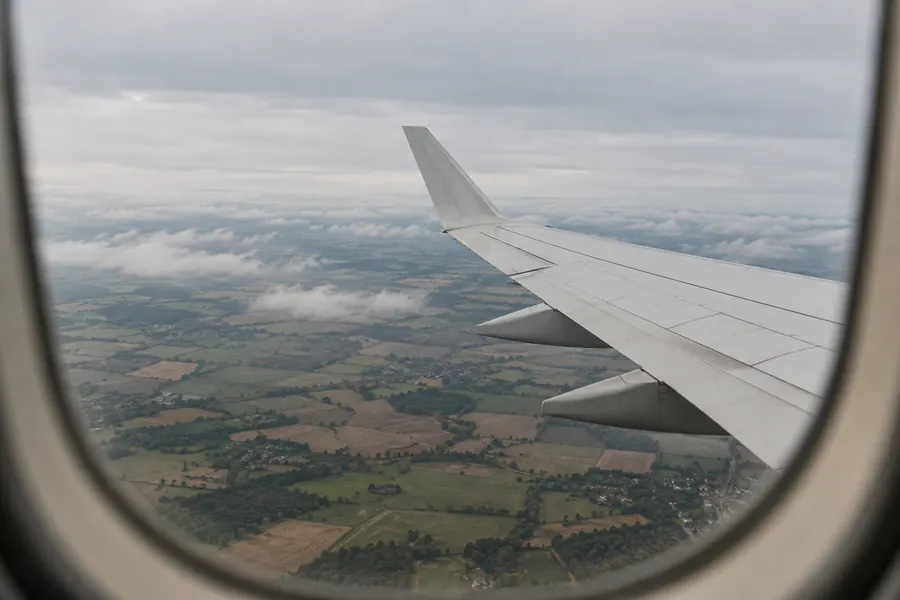
Three steps, start to certificate.
London → New York, return, economy: about 2.3 tCO₂e. Use our calculator for your exact number.
We recommend Mixed portfolio at $25/tonne for this use case — Verra VCS.
We buy the credits at wholesale, retire them on the public registry on your behalf, and email you a verifiable certificate.
Cut what you can before you offset.
Offsetting is for the emissions you can’t yet eliminate. A few practical ways to lower this footprint at source:
- →Fly economy and direct where you can — fewer take-offs and more seats per plane cut per-passenger emissions.
- →Combine trips, and consider rail for shorter legs.
- →Choose newer aircraft and fuller flights when you have the option.
Does offsetting make flying guilt-free?
No — reducing flights is always better. Offsetting addresses the emissions you cannot yet avoid.
Which credits should I use for flights?
A mixed portfolio balances cost and permanence, which suits one-off travel offsetting well.
How are flight emissions calculated?
From distance, cabin class and an aircraft-fullness assumption, using emission factors from UK DESNZ and Ember, including the high-altitude warming uplift.
Should I include connecting flights?
Yes — count every leg. Take-off and climb are the most fuel-intensive phases, so two short legs can emit more than one direct flight.