How to offset a yacht
A week’s superyacht charter emits roughly 20–50 tonnes of CO₂e; an owned superyacht can exceed 1,000 tonnes a year. Here’s how to offset it.
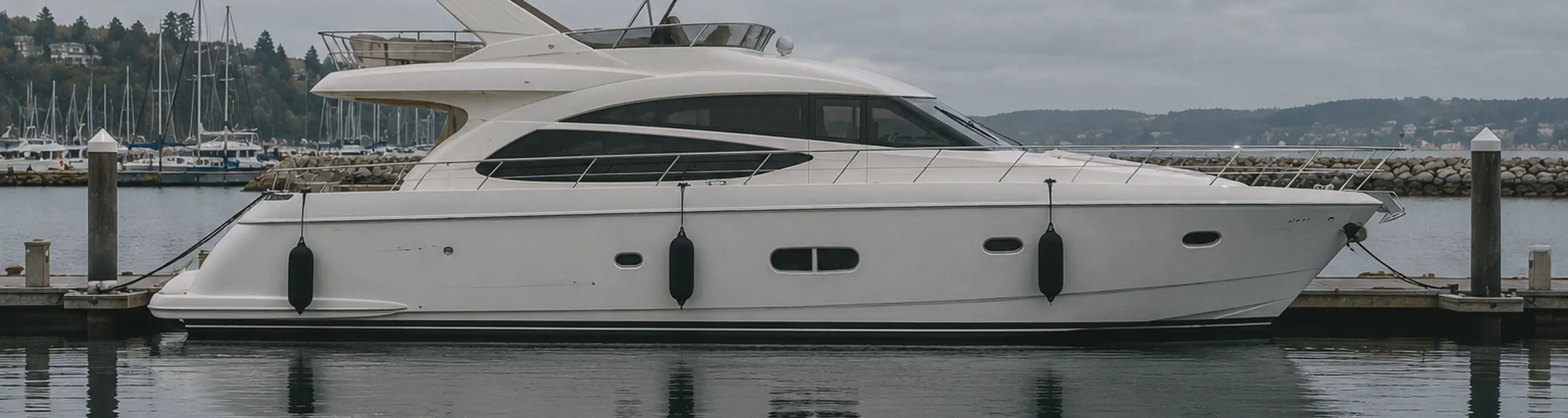
What drives the footprint
Yachting is exceptionally carbon-intensive. A single week’s superyacht charter can emit 20–50 tonnes of CO₂e from fuel alone, and an owned superyacht — with crew, tenders and a helicopter — can exceed 1,000 tonnes a year.
Because it’s a high-emission, high-visibility asset, the most credible response is durable, engineered removal: the carbon is physically taken out of the atmosphere and stored for centuries, not merely avoided.
Three steps, start to certificate.
One-week superyacht charter: about 30 tCO₂e. Use our calculator for your exact number.
We recommend Engineered removal at $350/tonne for this use case — Puro.earth.
We buy the credits at wholesale, retire them on the public registry on your behalf, and email you a verifiable certificate.
Cut what you can before you offset.
Offsetting is for the emissions you can’t yet eliminate. A few practical ways to lower this footprint at source:
- →Cruise at lower speeds — fuel burn rises sharply with speed.
- →Use shore power in port and efficient onboard systems.
- →Consider biofuel blends where the vessel supports them.
Why use engineered removal for a yacht?
For a high-visibility, high-emission asset, durable removals make the most credible claim — the carbon is physically removed and stored for centuries.
Can the retirement be in the vessel’s name?
Yes — choose registry-named retirement so the yacht or owner appears on the public registry.
How is a yacht’s footprint calculated?
Primarily from fuel burned over the period (litres of marine diesel), plus tenders and any helicopter use. We can help estimate it.