How to offset a private jet
A single transatlantic private-jet leg emits roughly 10–20 tonnes of CO₂e — many times a commercial seat. Here’s how to offset it.
What drives the footprint
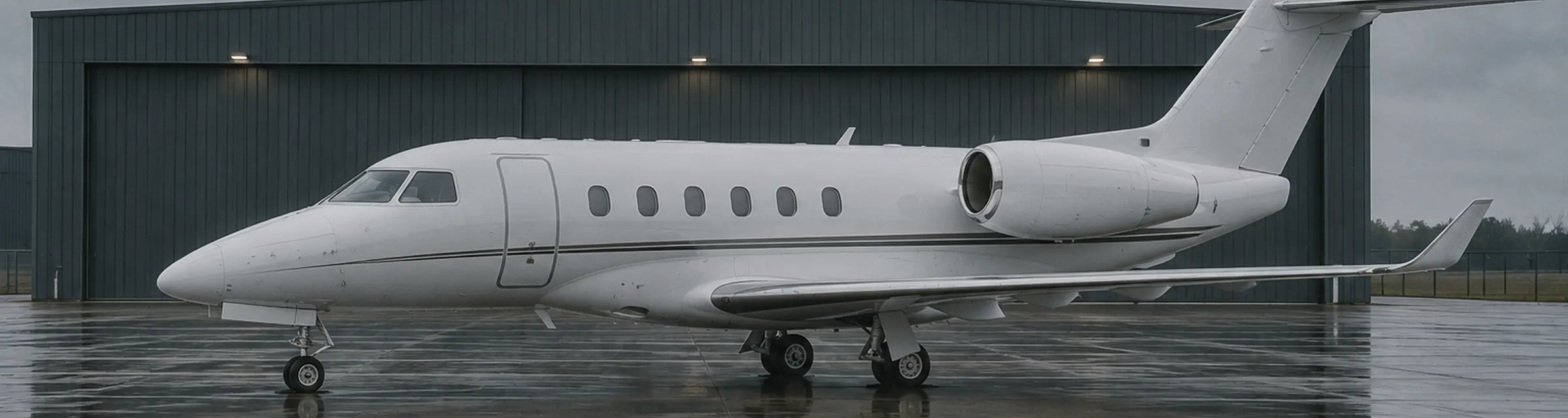
Private aviation has the highest emissions per passenger of any form of travel. A single transatlantic private-jet leg emits roughly 10–20 tonnes of CO₂e — many times a commercial seat — and a frequent private flyer can reach hundreds of tonnes a year.
Sustainable aviation fuel and flying less come first; for the substantial remainder, durable removals are the most defensible offset for such a high-profile activity.

Three steps, start to certificate.
Transatlantic private flight: about 15 tCO₂e. Use our calculator for your exact number.
We recommend Engineered removal at $350/tonne for this use case — Puro.earth.
We buy the credits at wholesale, retire them on the public registry on your behalf, and email you a verifiable certificate.
Cut what you can before you offset.
Offsetting is for the emissions you can’t yet eliminate. A few practical ways to lower this footprint at source:
- →Use sustainable aviation fuel (SAF) where available.
- →Consolidate trips and avoid empty repositioning legs.
- →Choose the smallest suitable aircraft for the mission.
Is offsetting enough for private flying?
Reducing flights and using sustainable aviation fuel where possible comes first; offset the substantial remainder with durable removals.
Can we offset a whole fleet or charter programme?
Yes — talk to our business team for fleet-level annual retirement and reporting.
How do I estimate a private flight’s emissions?
From the aircraft type and flight time (fuel burn per hour), or talk to us with the route and tail type for a precise figure.