Carbon credits and the Sustainable Development Goals.
A carbon credit does more than cancel a tonne of CO₂. The best projects also deliver clean water, health, jobs and biodiversity — measurable progress against the United Nations’ 17 Sustainable Development Goals. This is the complete reference: how credits map to the SDGs, the project types and mechanisms behind them, and the standards and registries that keep them honest.
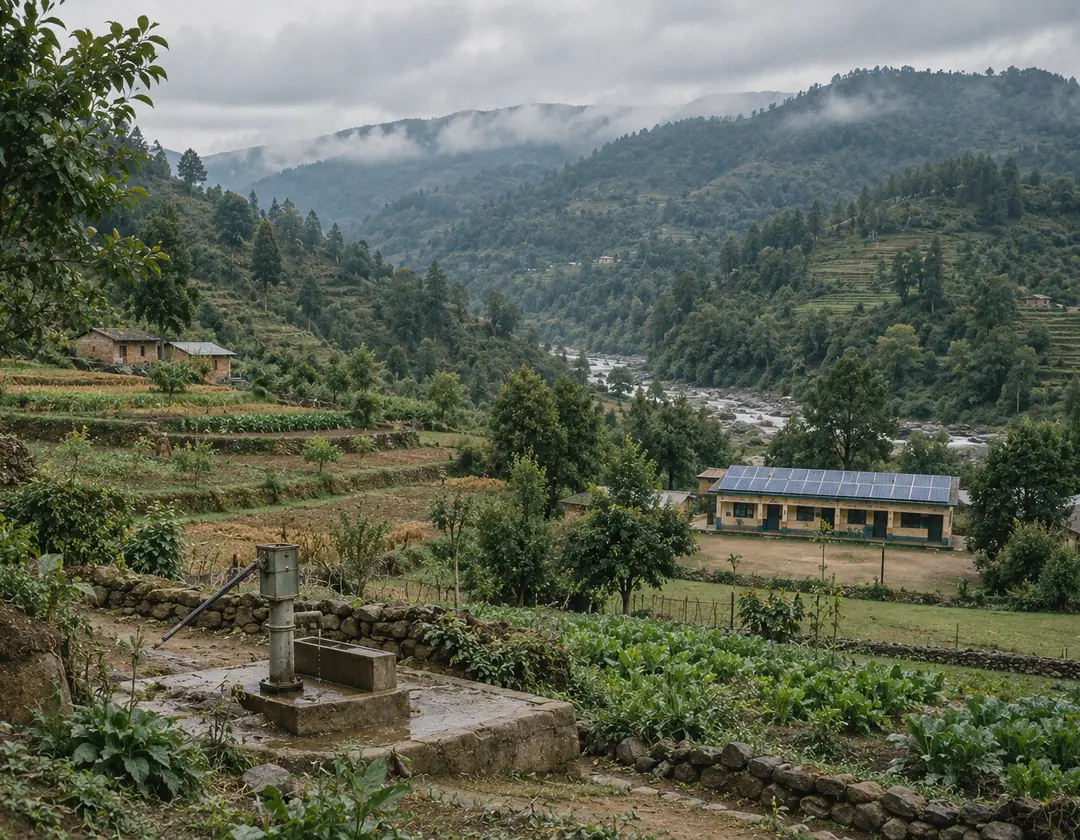
What is sustainable development?
Sustainable development means meeting today’s needs without compromising the ability of future generations to meet theirs — balancing climate, nature, and human well-being. In 2015 every UN member state adopted 17 Sustainable Development Goals (SDGs) as a shared 2030 blueprint. Carbon credits are one of the few mechanisms that channel private finance directly toward several of these goals at once: they put a price on a tonne of avoided or removed CO₂, and the projects that earn them often improve health, water, energy access and livelihoods in the same place.
The UN Sustainable Development Goals.
All 17 goals, and how carbon-credit projects contribute to each. Every credit advances SDG 13 — Climate Action; the strongest projects reach many more.
Carbon finance funds clean-energy access, fair wages and livelihoods in lower-income communities.
Agroforestry and regenerative agriculture improve soil health, crop yields and farmer income.
Clean cookstoves and fuel-switching cut indoor air pollution and respiratory disease.
Project revenue funds schools, scholarships and skills training in host communities.
Cookstove and clean-water projects reduce unpaid fuel- and water-gathering work borne mostly by women.
Water-purification and watershed projects deliver safe drinking water and protect catchments.
Renewable-energy, biogas and mini-grid credits expand affordable, clean power.
Projects create local jobs, training and regional economic development.
Engineered removal, carbon capture and industrial-process credits drive low-carbon innovation.
Climate finance flows from high-emitting economies to climate-vulnerable regions.
Landfill-gas, waste and urban-forestry projects improve the local living environment.
Recycling, waste-avoidance and refrigerant projects cut lifecycle and end-of-life emissions.
The core outcome — every credit avoids or removes a tonne of CO₂e from the atmosphere.
Blue-carbon projects restore mangroves, seagrass and coastal ecosystems that store carbon.
Forest protection, reforestation and improved management conserve habitats and biodiversity.
Transparent public registries and benefit-sharing strengthen local governance and land rights.
Carbon markets connect buyers, developers, registries and communities across borders.
How a credit advances many goals at once.
A single project rarely touches just one goal. A clean-cookstove programme cuts CO₂ (SDG 13) and reduces indoor air pollution (SDG 3), eases the fuel-gathering burden on women (SDG 5), and creates local jobs (SDG 8). These extra outcomes are called co-benefits — and they’re how you choose a project by the impact you care about, not just the price.
Pick a project by the goals it serves.
Avoidance vs removal.
The two fundamental ways a credit reduces atmospheric carbon. Both matter; for net-zero claims the mix matters most.
Prevents emissions that would otherwise have happened — protecting a standing forest, capturing landfill gas, or switching a household from wood to a clean stove. The tonne never enters the atmosphere.
Physically takes CO₂ that is already in the atmosphere and stores it in trees, soil, rock or geological storage. Durable removals are what credible corporate net-zero claims require for residual emissions.
The carbon-credit landscape.
The main categories of carbon project, the methodologies within each, and the SDGs they most commonly advance.

Conserving, restoring and better-managing forests so they keep storing carbon and habitats stay intact.
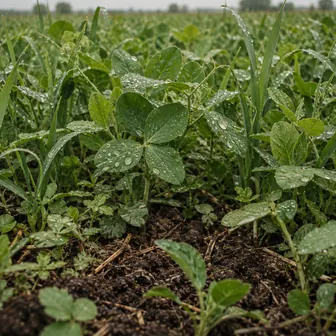
Farming practices that build soil carbon, cut methane and improve resilience and yields.
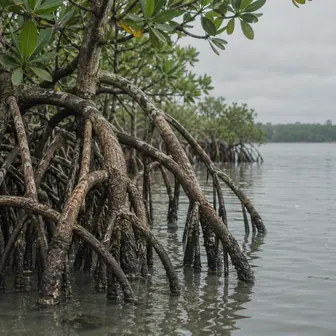
Restoring coastal and marine ecosystems that sequester carbon far faster than land forests.
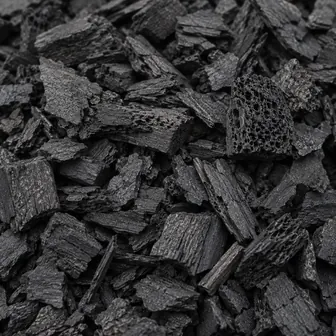
Converting waste biomass into a stable charcoal that locks carbon into soil for centuries — a durable removal.

Displacing fossil generation with clean power, mostly in grids without enough renewable investment.
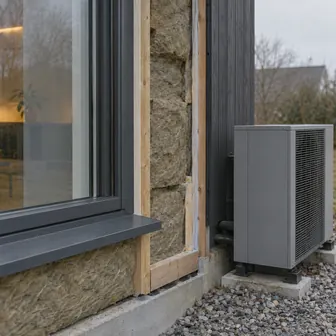
Delivering the same output with less energy, cutting emissions at the source.

Community-scale projects with strong health, gender and livelihood co-benefits.
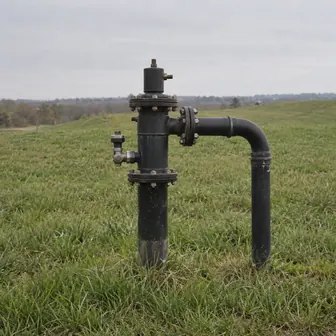
Capturing or avoiding methane and emissions from waste streams.

Destroying or capturing high-potency industrial gases and process emissions.
The signals buyers screen for.
Beyond carbon, projects carry characteristics that signal extra environmental and social value — and higher integrity.
The project measurably protects or restores species and habitats alongside carbon.
Carbon stored in coastal and marine ecosystems such as mangroves and seagrass.
Actively rebuilding a degraded ecosystem (vs simply preserving an intact one).
Protecting an intact, at-risk ecosystem from conversion or degradation.
The project safeguards water quality, supply or catchment health.
Linked to verified plastic collection or recycling outcomes.
Climate, Community & Biodiversity Standards — a label for strong social and ecological co-benefits.
Approved for the aviation industry’s international offsetting scheme — a high-integrity bar.
Who certifies and tracks a credit.
A standard is the rulebook a project is certified against. A registry is the public database that issues serialized credits, tracks ownership, and records retirements so each tonne is only ever counted once. These are the bodies operating across the global carbon market — see how we vet and which we accept →
Common questions.
What are the UN Sustainable Development Goals (SDGs)?
The Sustainable Development Goals are 17 global goals adopted by all UN member states in 2015 as part of the 2030 Agenda — a shared blueprint to end poverty, protect the planet and ensure prosperity for all. They range from No Poverty (SDG 1) and Clean Water (SDG 6) to Climate Action (SDG 13) and Life on Land (SDG 15).
How do carbon credits support the SDGs?
Every high-quality carbon credit advances SDG 13 (Climate Action) by avoiding or removing a tonne of CO₂e. Beyond that, projects deliver "co-benefits" mapped to other SDGs: clean cookstoves improve health (SDG 3) and gender equality (SDG 5); renewable energy delivers affordable clean energy (SDG 7); forestry protects life on land (SDG 15); and blue-carbon projects protect life below water (SDG 14).
What is the difference between carbon avoidance and carbon removal?
Avoidance (or reduction) prevents emissions that would otherwise occur — for example protecting a forest or capturing landfill gas. Removal physically takes CO₂ already in the atmosphere and stores it — for example reforestation, biochar or direct air capture. Credible corporate net-zero claims require durable removals for residual emissions.
What is the difference between a carbon standard and a registry?
A standard (such as Verra’s VCS or Gold Standard) is the rulebook and methodology a project is certified against. A registry is the database that issues serialized credits, tracks ownership, and records retirements so a credit can only be used once. Some organisations operate both.
What are co-benefits in a carbon project?
Co-benefits are the social and environmental outcomes a project delivers in addition to reducing carbon — biodiversity protection, clean water, local jobs, gender equality and health improvements. They are how a single carbon project contributes to multiple SDGs, and are often verified under labels like the CCB Standards.
Are carbon credits aligned with ESG and corporate net-zero goals?
Yes. Many businesses use SDG-aligned carbon credits as part of their ESG and net-zero strategies. For science-based net-zero, avoidance credits address the journey while durable removals address residual emissions; CORSIA-eligible and CCB-labelled credits carry higher-integrity signals for ESG reporting.
How do I choose a carbon project that matches the SDGs I care about?
Each methodology in our shop is tagged with the SDGs and co-benefits it supports, so you can pick by impact — for example clean cooking for health and gender equality, reforestation for life on land, or blue carbon for ocean ecosystems. Browse the offset shop and filter by what matters to you.
Turn the goals into action.
Calculate your footprint, then offset it with a project matched to the Sustainable Development Goals you care about — retired on a public registry, certified in your name.