How to offset car emissions
The average car emits around 4.6 tonnes of CO₂e per year. Offset a year of driving in one step.

What drives the footprint
The average petrol car emits around 4.6 tonnes of CO₂e a year — roughly 0.2 kg for every kilometre driven. Over a typical ownership period that adds up to far more than the emissions of manufacturing the car itself.
Your real number depends on fuel type, engine efficiency and annual distance. Until you switch to electric, offsetting the tailpipe emissions keeps your driving climate-accountable.
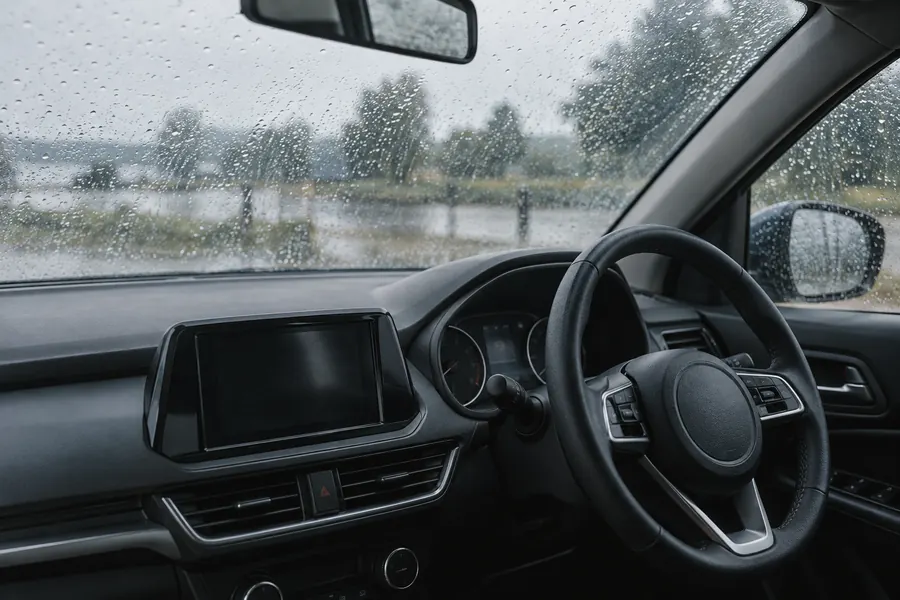
Three steps, start to certificate.
12,000 km / year, petrol: about 4.6 tCO₂e. Use our calculator for your exact number.
We recommend Renewable energy at $12/tonne for this use case — Gold Standard.
We buy the credits at wholesale, retire them on the public registry on your behalf, and email you a verifiable certificate.
Cut what you can before you offset.
Offsetting is for the emissions you can’t yet eliminate. A few practical ways to lower this footprint at source:
- →Combine trips, keep tyres inflated, and avoid heavy idling.
- →Use public transport, cycling or car-sharing for short journeys.
- →Plan your next vehicle as an EV or an efficient hybrid.
Should I offset or switch to electric?
Switching reduces emissions at source. Offset the remaining tailpipe emissions until you do.
How do I work out my car’s emissions?
Multiply your annual kilometres by your fuel’s factor (about 0.21 kg/km petrol, 0.17 diesel, 0.12 hybrid), or use our calculator.
Does an electric car have zero emissions?
Tailpipe emissions are zero, but charging draws on the grid and manufacturing has a footprint. An EV is much lower overall, especially on a clean grid.