How to offset a construction or renovation project
Building a new home carries roughly 50–80 tonnes of embodied CO₂e; a major renovation 10–30 tonnes. Here’s how to offset the project.
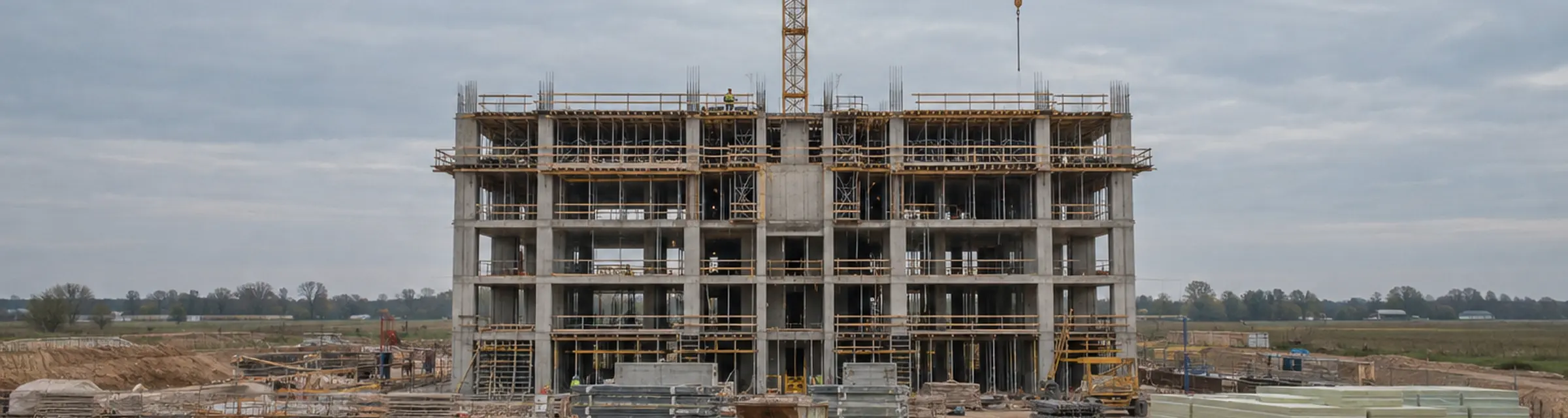
What drives the footprint
Buildings carry “embodied carbon” — the emissions locked into materials and the construction process, separate from the energy the finished building later uses. A new-build home embodies roughly 50–80 tonnes of CO₂e, dominated by concrete and steel; a major renovation 10–30 tonnes.
Specifying lower-carbon materials cuts the footprint at source; offsetting the remainder with a per-project named retirement supports ESG and planning documentation.
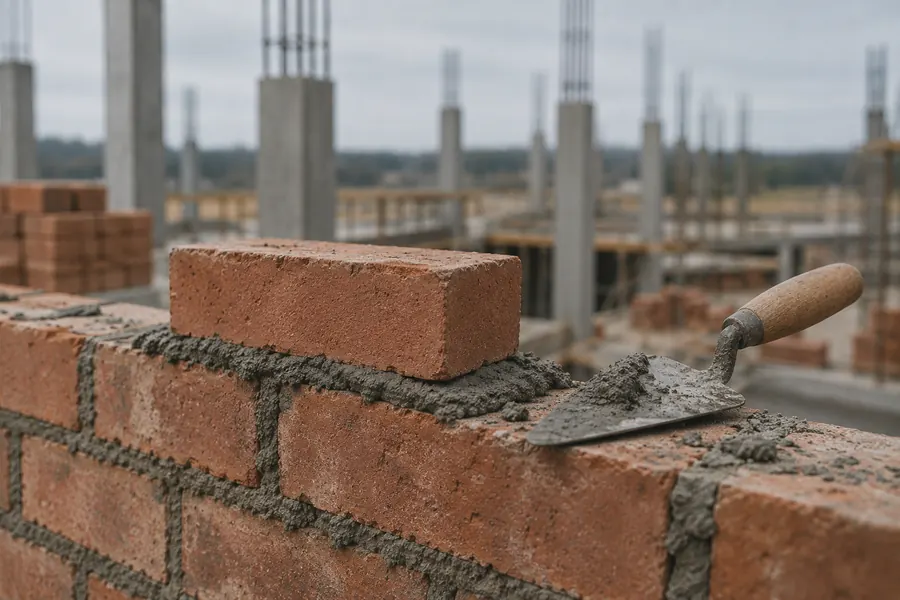
Three steps, start to certificate.
New-build home (embodied carbon): about 60 tCO₂e. Use our calculator for your exact number.
We recommend Mixed portfolio at $25/tonne for this use case — Verra VCS.
We buy the credits at wholesale, retire them on the public registry on your behalf, and email you a verifiable certificate.
Cut what you can before you offset.
Offsetting is for the emissions you can’t yet eliminate. A few practical ways to lower this footprint at source:
- →Specify low-carbon concrete, recycled steel and timber where suitable.
- →Reuse and retrofit existing structure rather than demolish.
- →Design for energy efficiency to cut operational carbon too.
What is embodied carbon?
The emissions locked into materials and the build process, separate from the energy the finished building later uses.
Can developers offset at scale?
Yes — we provide per-project named retirement and documentation for ESG and planning submissions.
How is embodied carbon estimated?
From a materials take-off (quantities of concrete, steel, timber, etc.) using embodied-carbon factors, or a directional estimate from floor area and build type.