How to offset a cruise
A 7-day cruise emits roughly 0.8–1.5 tonnes of CO₂e per passenger — about three times a normal day. Here’s how to offset your trip.
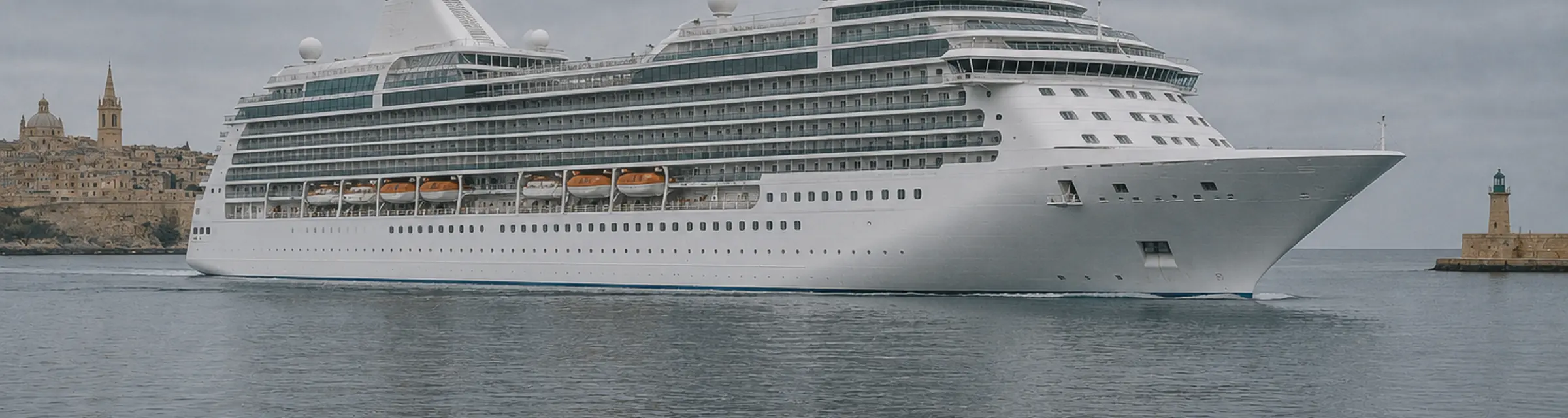
What drives the footprint
Cruising emits roughly 0.8–1.5 tonnes of CO₂e per passenger for a seven-day voyage — about three times an average day on land — because a cruise ship is effectively a floating resort burning fuel around the clock. Suites and longer itineraries push that higher.
Most cruise lines don’t fully offset, so doing it yourself gives you a certificate you control and can verify. Remember to add the flights to and from the port for a complete trip.
Three steps, start to certificate.
Family of four, 7-day cruise: about 5 tCO₂e. Use our calculator for your exact number.
We recommend Mixed portfolio at $25/tonne for this use case — Verra VCS.
We buy the credits at wholesale, retire them on the public registry on your behalf, and email you a verifiable certificate.
Cut what you can before you offset.
Offsetting is for the emissions you can’t yet eliminate. A few practical ways to lower this footprint at source:
- →Choose newer, more efficient ships and shorter itineraries.
- →Pick a lower deck or smaller cabin, and favour ships that use shore power.
- →Travel to the port by rail where possible.
Doesn’t my cruise line already offset?
Most don’t, or only partially. Offsetting independently gives you a certificate you control and can verify.
Should I include my flights?
Yes — add your flights to and from the port with our flight guide for a complete trip offset.
How is a cruise footprint estimated?
From nights aboard and ship efficiency per passenger; suites and premium cabins carry a higher share. Our calculator gives a directional figure.